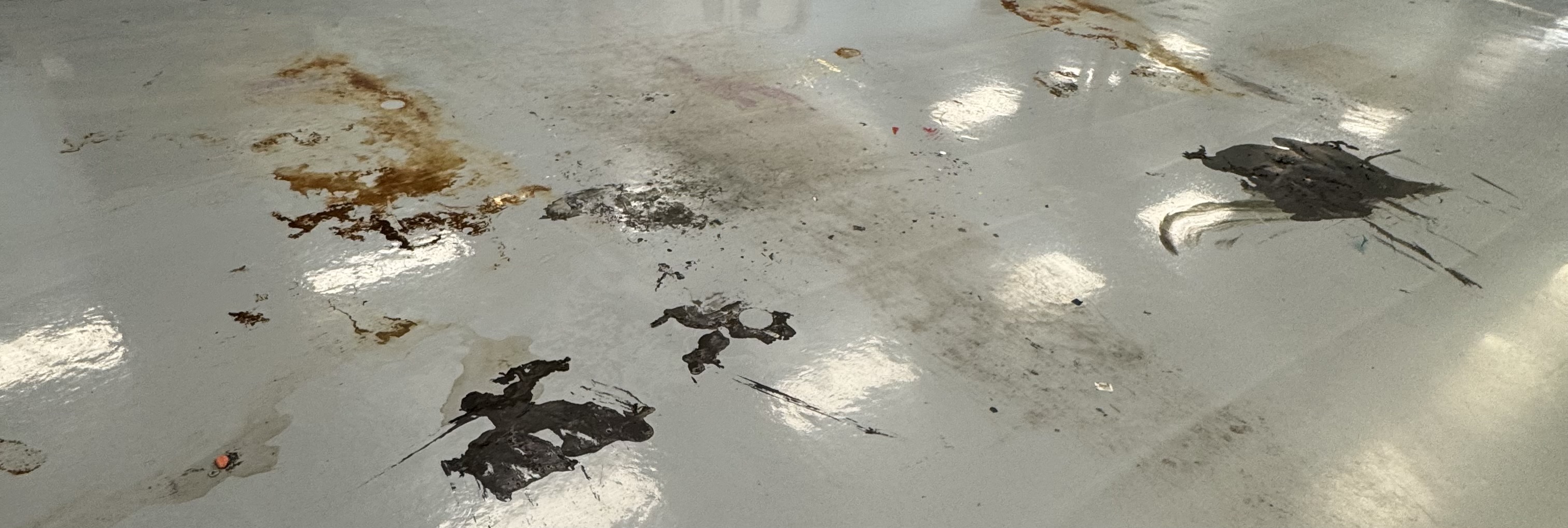
Professional Coating Removal
Professional removal of existing coatings, adhesives, and flooring materials — the essential first step to a successful epoxy installation.
Start With a Clean Foundation
Key Benefits
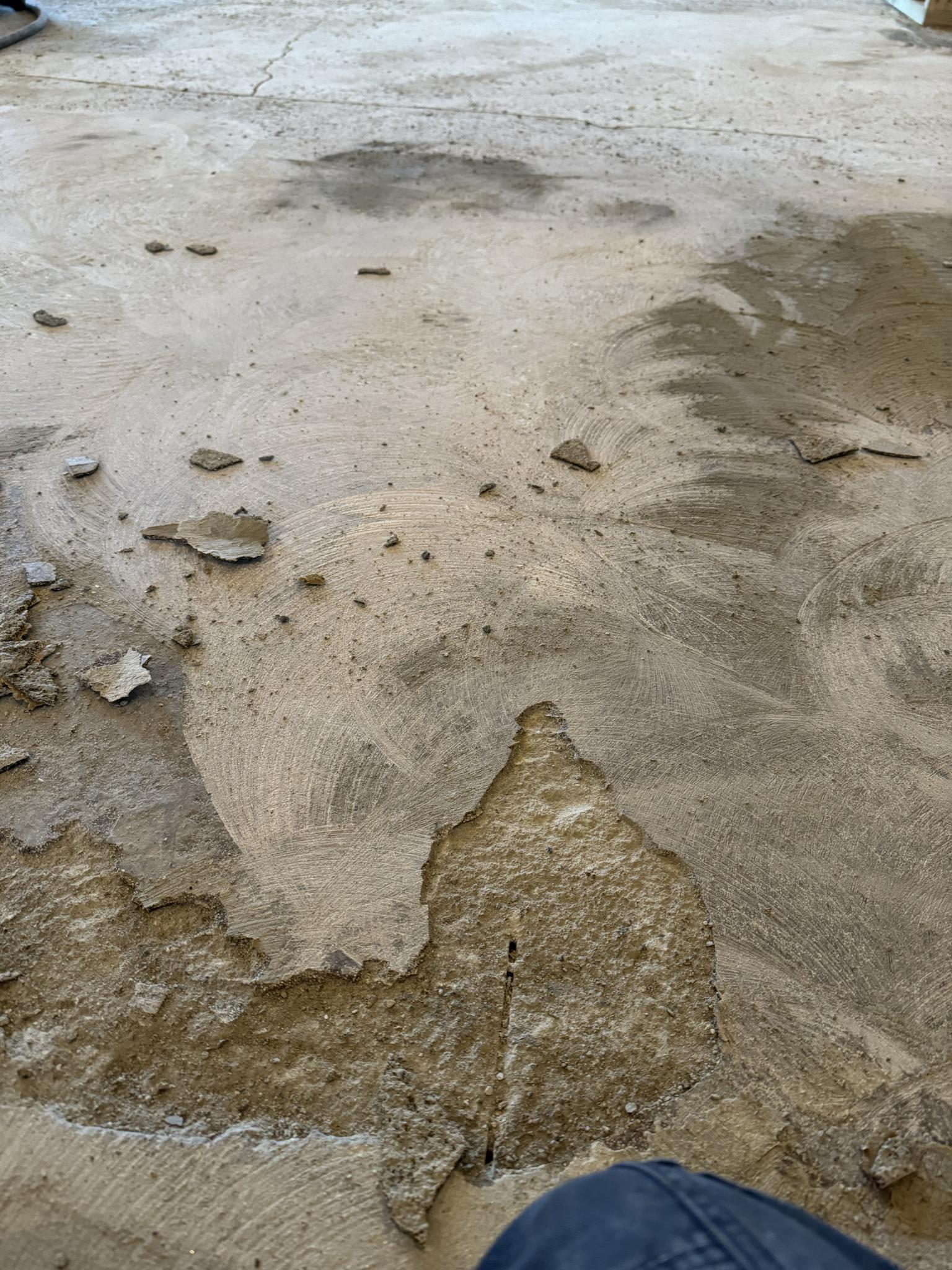
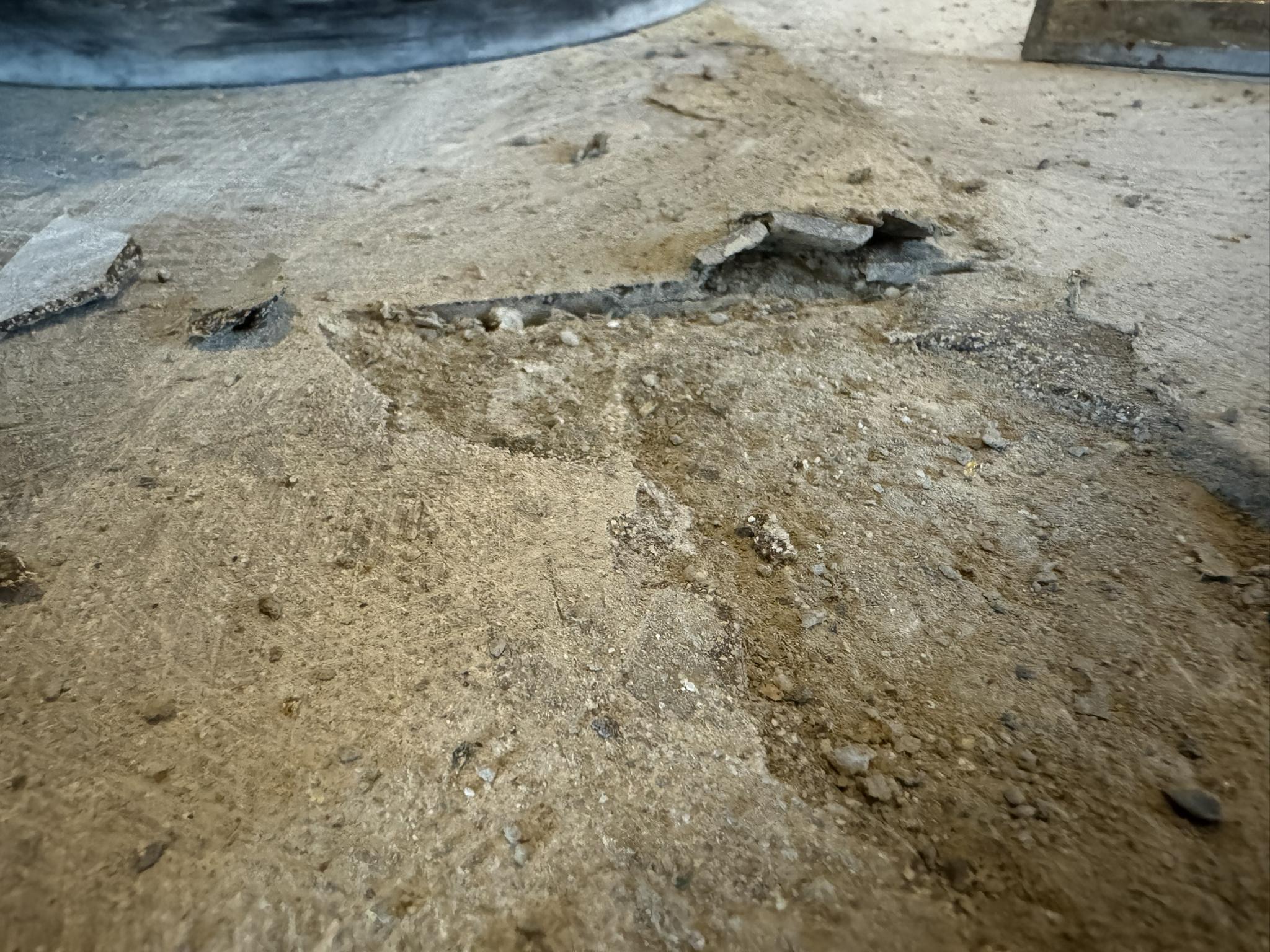
Removal of existing coatings or flooring materials is a critical first step before installing a new epoxy system. Epoxy is only as strong as the surface it bonds to, and if it is applied over failing paint, old epoxy, tile adhesive, glue residue, or other compromised materials, the new system will inherit those weaknesses. If the underlying layer releases from the concrete, the epoxy above it will delaminate as well. Proper removal ensures that the new coating bonds directly to structurally sound concrete rather than to an unstable intermediate layer.
Old coatings can fail for many reasons — age, moisture intrusion, improper preparation, or general wear and tear. Even if an existing surface appears intact, it may have poor adhesion below the surface. Installing epoxy over a coating that is already debonding can lead to bubbling, peeling, and widespread failure. Professional removal methods such as diamond grinding, shot blasting, or scarifying strip the surface back to bare concrete, eliminating weak layers and creating a clean, solid substrate ready for proper preparation.
Adhesives from previous flooring systems — such as carpet glue, vinyl tile mastic, or thin-set mortar — must also be completely removed. These materials can interfere with adhesion and prevent primers from penetrating the concrete pores. Some adhesives may soften or react when exposed to epoxy resins, leading to chemical incompatibility and bond loss. Mechanical removal ensures that all residues are eliminated so the epoxy can properly adhere to clean, contaminant-free concrete.
Removal also allows installers to properly assess the condition of the slab. Cracks, spalls, control joints, and surface imperfections are often hidden beneath old flooring materials. Once the slab is exposed, these defects can be repaired using epoxy patching compounds or crack repair systems before the main coating is applied. Addressing these issues at the removal stage improves both structural performance and final appearance.
In cases where old epoxy or urethane coatings are present, mechanical removal is especially important. Coatings may have different chemical compositions that are incompatible with new systems. Even if they appear sound, they may not provide the proper Concrete Surface Profile (CSP) required for new epoxy adhesion. Grinding or shot blasting removes the existing system and establishes the correct surface texture needed for a strong mechanical bond.
Proper removal also plays a role in moisture management. If an old coating is trapping moisture beneath it, simply coating over it can intensify hydrostatic pressure issues. Removing the existing material allows moisture testing to be performed directly on the slab and ensures that any necessary vapor mitigation system is installed correctly. This step prevents hidden moisture conditions from compromising the new flooring system.
Ultimately, removal is about starting with a clean, stable foundation. Epoxy flooring is a multi-layer system designed for long-term performance, but it cannot compensate for poor substrate conditions. Skipping or minimizing removal to save time or cost often results in premature failure and expensive remediation. Thorough mechanical removal ensures optimal adhesion, compatibility, durability, and long-term reliability.
Investing in proper removal sets the stage for successful surface preparation, moisture mitigation, and coating application. It eliminates hidden risks, exposes potential structural concerns, and ensures that the new epoxy system bonds directly to solid concrete. In flooring installation, preparation is everything — and proper removal is the first step toward a durable, high-performance result.
Our Removal Services
Coating Removal
Complete removal of old epoxy, paint, urethane, and sealers to expose clean, sound concrete.
Adhesive Removal
Elimination of carpet glue, tile mastic, thin-set mortar, and other bonding residues from the slab.
Slab Assessment
Thorough inspection of the exposed concrete to identify cracks, spalls, and defects requiring repair.
Ready to Get Started?
Contact us today for a free consultation and estimate on your removal project.