Why Proper Maintenance Matters
One of the biggest advantages of epoxy flooring is how easy it is to maintain. Unlike tile with grout lines or hardwood that requires periodic refinishing, an epoxy floor provides a seamless, non-porous surface that resists staining, moisture, and chemical damage. However, proper care practices ensure your coating performs at its best and lasts as long as possible.
A well-maintained epoxy floor can easily last 15–20 years or more in residential applications and 10–15 years in heavy commercial or industrial environments. Neglecting basic maintenance can shorten this lifespan and diminish the appearance of the coating over time.
Daily and Weekly Cleaning
For most epoxy floors, routine cleaning is simple and requires minimal effort:
Daily (high-traffic areas): Sweep or dust mop the floor to remove loose dirt, dust, and debris. This prevents abrasive particles from scratching the surface under foot traffic or equipment.
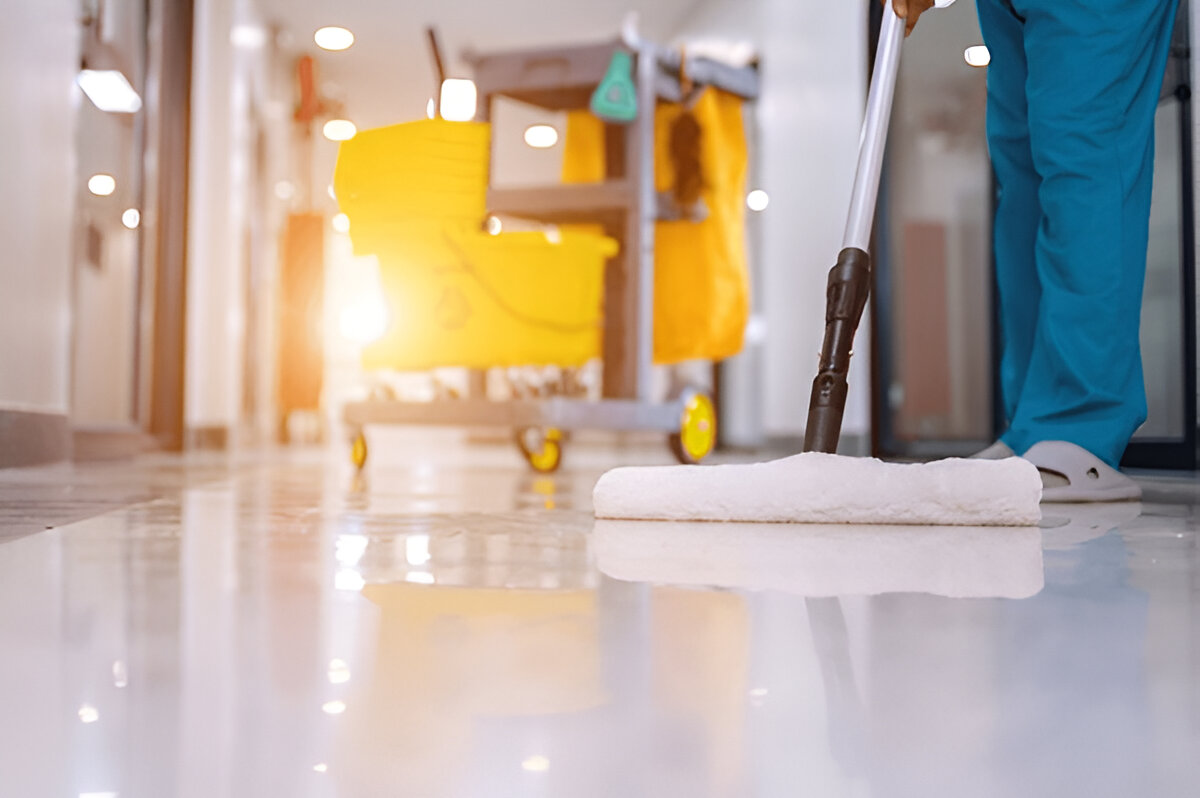
Weekly: Mop the floor with warm water and a mild, pH-neutral cleaner. Avoid harsh chemicals, acidic cleaners, or abrasive scrubbing pads, as these can dull the finish over time. A soft-bristle mop or microfiber pad works best.
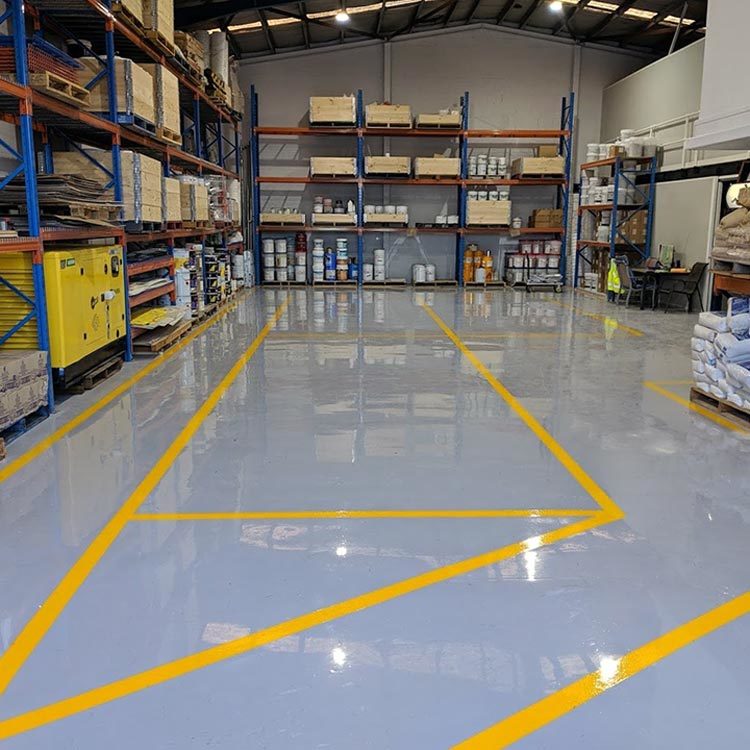
For commercial and industrial floors that see heavy use, an auto-scrubber with a non-abrasive pad can efficiently clean large areas while maintaining the coating's integrity.
Dealing with Spills and Stains
One of the key benefits of epoxy flooring is its chemical resistance. Most spills — including oil, gasoline, brake fluid, and common household chemicals — will not damage the coating if cleaned up within a reasonable time. However, prompt cleanup is always recommended.
For oil or grease spills, use a paper towel or absorbent cloth to blot the spill, then clean the area with a degreasing cleaner and warm water. For tougher stains, a soft scrub brush with a mild cleaner will usually do the job without damaging the surface.
Avoid letting acidic substances like battery acid or strong solvents sit on the surface for extended periods. While epoxy is highly resistant, prolonged exposure to extremely aggressive chemicals can affect the topcoat over time.
Protecting Against Scratches and Wear
While epoxy floors are extremely durable, they can develop surface scratches from dragging heavy objects, metal equipment, or abrasive materials across the floor. To minimize this:
In garage applications, placing a mat under vehicle jack stands and using wheel chocks with rubber bases helps protect the coating in high-stress areas.
Hot Tire Pickup Prevention
A common concern for garage epoxy floors is hot tire pickup — where hot tires from a recently driven vehicle can soften or pull the coating. High-quality polyaspartic or urethane topcoats are specifically formulated to resist hot tire pickup. If your epoxy system includes a professional-grade topcoat, this should not be an issue.
If you notice any signs of tire marking or softening, it may indicate that the topcoat needs to be evaluated or recoated. Contact your installer for an assessment.
Seasonal Considerations
In New England, epoxy garage floors face unique challenges from seasonal changes:
Winter: Road salt, sand, and de-icing chemicals can be tracked onto the floor. While these will not damage the epoxy coating, they can leave residue and grit that should be swept or mopped regularly. Rinsing the floor with clean water after heavy salt exposure helps prevent buildup.
Spring/Summer: Pollen, yard debris, and moisture from rain can accumulate on garage floors. Regular sweeping and occasional mopping keep the surface clean and presentable.
Humidity: In humid months, ensure proper ventilation in enclosed spaces to prevent moisture condensation on the floor surface. While epoxy is moisture-resistant, standing water from condensation can create slip hazards.
When to Recoat
Over time, even the best epoxy systems may show signs of wear, particularly in high-traffic commercial or industrial environments. Indicators that your floor may benefit from a maintenance recoat include:
A maintenance recoat involves lightly abrading the existing surface and applying a fresh topcoat. This is significantly less expensive and disruptive than a full system replacement and can extend the floor's life by many additional years.
Professional Care and Support
At Epoxy Designs, we stand behind every installation. If you have questions about maintaining your epoxy floor or notice any changes in performance, reach out to our team. We offer maintenance consultations and recoating services throughout New England to keep your floor performing and looking its best.